Mar 16, 2018

Modern humans interbred with Denisovans twice in history

This graphical abstract shows two waves of Denisovan ancestry have shaped present-day humans.
Modern humans co-existed and interbred not only with Neanderthals, but also with another species of archaic humans, the mysterious Denisovans. While developing a new genome-analysis method for comparing whole genomes between modern human and Denisovan populations, researchers unexpectedly discovered two distinct episodes of Denisovan genetic intermixing, or admixing, between the two. This suggests a more diverse genetic history than previously thought between the Denisovans and modern humans.

In a paper published in Cell on March 15, scientists at the University of Washington in Seattle determined that the genomes of two groups of modern humans with Denisovan ancestry -- individuals from Oceania and individuals from East Asia -- are uniquely different, indicating that there were two separate episodes of Denisovan admixture.

"What was known already was that Oceanian individuals, notably Papuan individuals, have significant amounts of Denisovan ancestry," says senior author Sharon Browning, a research professor of biostatistics, University of Washington School of Public Health. The genomes of modern Papuan individuals contain approximately 5% Denisovan ancestry."

Researchers also knew Denisovan ancestry is present to a lesser degree throughout Asia. The assumption was that the ancestry in Asia was achieved through migration, coming from Oceanian populations. "But in this new work with East Asians, we find a second set of Denisovan ancestry that we do not find in the South Asians and Papuans," she says. "This Denisovan ancestry in East Asians seems to be something they acquired themselves."

After studying more than 5,600 whole-genome sequences from individuals from Europe, Asia, America, and Oceania and comparing them to the Denisovan genome, Browning and colleagues determined that the Denisovan genome is more closely related to the modern East Asian population than to modern Papuans. "We analyzed all of the genomes searching for sections of DNA that looked like they came from Denisovans," says Browning, whose team relied on genomic information from the UK10K project, the 1000 Genomes Project, and the Simons Genome Diversity Project.

"When we compared pieces of DNA from the Papuans against the Denisovan genome, many sequences were similar enough to declare a match, but some of the DNA sequences in the East Asians, notably Han Chinese, Chinese Dai, and Japanese, were a much closer match with the Denisovan," she says.

What is known about Denisovan ancestry comes from a single set of archaic human fossils found in the Altai mountains in Siberia. That individual's genome was published in 2010, and other researchers quickly identified segments of Denisovan ancestry in several modern-day populations, most significantly with individuals from Oceania but also in East and South Asians.

"The assumption is that admixing with Denisovans occurred fairly quickly after humans moved out of Africa, around 50,000 years ago, but we do not know where in terms of location," Browning says. She theorizes that perhaps the ancestors of Oceanians admixed with a southern group of Denisovans while the ancestors of East Asians admixed with a northern group.

Read more at Science Daily

Mar 15, 2018

Jupiter's atmospheric beauty is more than skin deep

This composite image, derived from data collected by the Jovian Infrared Auroral Mapper (JIRAM) instrument aboard NASA’s Juno mission to Jupiter, shows the central cyclone at the planet’s north pole and the eight cyclones that encircle it.
In the year and a half NASA's Juno spacecraft has been orbiting Jupiter, the science team led by Southwest Research Institute's Dr. Scott Bolton has discovered that the orange and white bands that characterize Jupiter's outer atmosphere extend thousands of miles into the gas giant's atmosphere. The findings are part of a four-article collection about Juno science results in the March 8th edition of the journal Nature.

"With Juno only about a third of the way through its primary mission, we are being presented with a whole new Jupiter that is shaking up our basic understanding of giant planets throughout the universe," said Bolton, principal investigator of the mission and a coauthor of the Nature papers. "Surprisingly, the Jupiter we grew up knowing and loving, dressed in gorgeous colorful bands across its midsection, is now known to be beautiful down deep as well."

The four Nature articles focus on the structure of Jupiter's deep interior and the surprising discovery of clusters of cyclones encircling Jupiter's poles. One paper discusses Juno's unique orbit, and how the spacecraft's precise radio tracking system measures Jupiter's gravity field.

"This Juno system is so technically advanced that measurement capabilities have been improved by orders of magnitude in precision," Bolton said. This improved accuracy allowed scientists to detect an asymmetry in Jupiter's structure at depths near 3,000 km. "This asymmetry mirrors what we see in Jupiter's cloud layer, those colorful bands that blow across Jupiter." A second paper describes how these belts and zones manifest themselves as jet streams deep in Jupiter's atmosphere.

"This discovery surprised the entire team," Bolton said. "The Juno data show that what seemed like a weather pattern on Jupiter extends down well below the depth where sunlight penetrates, which means that something other than weather may be driving these forces.

"In total, Jupiter's jet streams contain about 1 percent of the gas giant's mass. That means a mass equivalent to about three Earths is moving around Jupiter in the form of jet streams," he continued. "That is a lot of atmosphere to be moving with jet streams. On Earth, our atmosphere is less than a millionth of Earth's mass!"

A third paper looks at how the symmetric layers of Jupiter work and reports that below the jet stream layer, Jupiter rotates as a rigid body. "Somehow Jupiter transitions from the jet stream layer that rotates like the top cloud layer to a rigid body deep inside where everything moves together," Bolton said. "The transition might have something to do with the creation of Jupiter's strong magnetic field."

Understanding the transition between the atmospheric layer and the more rigid layers that lie beneath will be revealed during the remainder of Juno's primary mission over the next couple of years. The fourth paper provided the first detailed look at how the familiar bands give way to giant cyclones organized in geometric patterns at both of Jupiter's poles.

"Before Juno, scientists knew little about Jupiter's poles due to the Earth's perspective of the planet," he said. Previous spacecraft flew past the gas giant at an equatorial level, capturing wonderful views of the zones and belts but revealing little about its polar regions. "Turns out, Jupiter is hardly recognizable from a polar perspective."

Visible and infrared images obtained from above each pole during Juno's first five orbits reveal persistent polygonal patterns of large cyclones. In the north, eight circumpolar cyclones surround a single polar cyclone. In the south, one polar cyclone is encircled by five circumpolar cyclones.

"These cyclones are huge with winds speeds as great as 220 miles per hour," Bolton said. "These novel features seem to exist in harmony, close together and persistent. They are surprisingly different from the single storm pattern that the Cassini spacecraft measured at Saturn's poles."

Read more at Science Daily

Researchers Create Simulated Exoplanet Atmospheres

Illustration of the exoplanet Proxima B, orbiting Proxima Centauri, a Red Dwarf Star
Scientists recently created a simulation of an exoplanet atmosphere, with an eye toward gaining a better understanding of how hazes form in extraterrestrial environments. One major goal is to help researchers using the upcoming James Webb Space Telescope, which launches in 2019, better interpret the observations from Webb's detailed exoplanet examinations.

It's an exciting direction for haze science, said principal investigator and professor at Johns Hopkins University Sarah Hörst. Most work on haze formation focuses on Titan, an orange-shrouded moon of Saturn that could host molecules key to the formation of life. A few other studies have examined Jupiter. Exoplanet hazes, however, are just recently becoming a research topic.

"We assume extrasolar planets have atmospheres that will be different from our solar system, in terms of temperature and in terms of the gasses in the atmosphere," Hörst told Seeker. "We wanted to start thinking outside the solar system in terms of trying to understand how haze formation works.

A paper based on the research was published March 5 in the journal Nature Astronomy.

Scientists have discovered thousands of exoplanets, principally using the Kepler space telescope that launched in 2009.

A handful of these planets are close enough and bright enough for other telescopes to pick up their atmospheric spectra, which shows the composition of their atmosphere. From these observations, Hörst said, scientists know that many exoplanets have some kind of particles in their atmosphere.

What's unclear is under what conditions hazes form. From Titan, scientists know that cold nitrogen and methane atmospheres have favorable conditions for haze formation, but it is difficult to extrapolate that information to different-sized planets or planets orbiting stars unlike our own, Hörst said.

"There are lots of kinds of atmospheres that have never been simulated in a lab before, and that's overwhelming," she added. "So we were trying to figure out what we could do that would be the most impactful, in terms of a starting point."

Lead author Sarah Hörst, right, and assistant research scientist Chao He examine a sample of simulated exoplanet atmosphere created in the chamber behind them.
A starting point came from the Kepler data. Its surveys suggest that the most abundant type of planet is something that isn't known in our solar system — a "super-Earth" or "mini-Neptune," which refers to a class of planets approximately ranging from four to 10 times the size of Earth.

Better yet, these super-Earths or mini-Neptunes are large enough that Webb can confirm the lab measurements once it is in space. And hazes are commonly observed around these planets so far. "The handful of examples we do have [from other telescopes] so far frequently show the signatures of particles in their atmospheres. It could be a cloud layer, or it could be chemically generated haze," Hörst said.

The researchers used a chemical equilibrium model that has been used since at least the 1990s.

"If you know the temperature, and how many heavy atoms the atmosphere might have, [the] model calculates what the equilibrium atmosphere would be," Hörst said.

The model accepts as an input any kind of energy output from a star, but neglects processes in the atmosphere such as photochemistry, or the effect a star has on individual gas molecules. (There aren't any clouds in the model, either.) The model's output shows how many — and what kind — of molecules a particular planetary atmosphere would have.

It was hard to pick a temperature range because of the large diversity of planetary systems, Hörst said, but the recent discovery of seven rocky planets near the dim, low-energy TRAPPIST-1 star influenced the team's choice. They modeled planetary atmospheres at an equilibrium temperature of 300 Kelvin (26 degrees Celsius, 80 degrees Fahrenheit), 400K (126°C, 260°F), and 600K (325°C, 620°F).

The temperatures were chosen to cover a range of heavy atoms, also referred to as metallicity, Hörst said. Between 300K and 600K, the range of possible atmospheres goes from hydrogen-rich planets like Jupiter or Saturn, to planets that are rich with water or carbon dioxide, which spans almost all the known types of atmospheres, Hörst said.

The researchers limited their models to nine planets (three temperatures per planet, with three different kinds of stars), and determined the equilibrium compositions for each of these atmospheres. They then took the gas composition and simulated them in a Johns Hopkins facility called the Planetary Haze Research chamber. The gas mixtures were exposed to a cold plasma for 72 hours to push them out of equilibrium. Then the chamber was put into an oxygen-free glove box to remove and weigh the gas samples.

Read more at Seeker

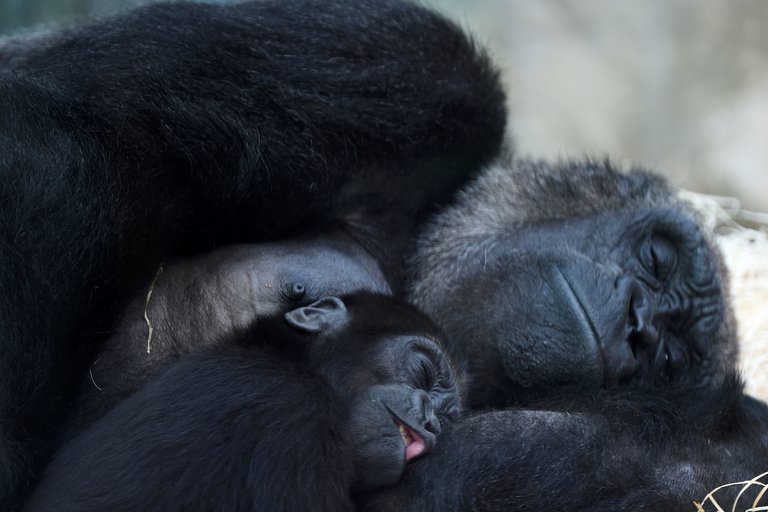
How Human Sleep Differs From Other Primates — And What It Means for Our Health

A young gorilla sleeps with its mother inside their enclosure at the Zooparc de Beauval in Saint-Aignan, central France, on April 14, 2017.
Anthropologist David Samson has spent nearly 2,000 hours watching orangutans sleep in order to better understand the behavior among primates, including humans. He has heard everything from incredibly loud snoring to nightmare screams.

In one instance, he was studying the sleep of the troop's alpha male, Azy. The big orangutan was in a deep REM (rapid eye movement) sleep, the state most often associated with dreaming.

Samson told Seeker that, in a flash, Azy "quickly arose from his slumber and began storming through the enclosure performing a spectacular 'long-call' that woke all of the other orangutans up. It's total speculation, but I intuit that he had a bad orangutan dream and wanted to let everybody know about it!"

All primates appear to dream, but each species exhibits its own unique sleeping characteristics and durations, with humans having perhaps the most unusual sleep of any such animal. The findings, reported in the American Journal of Physical Anthropology, include the observation that humans sleep far less than other studied primates.

"It is truly surprising that the largest brained primate sleeps the least," Charles Nunn, who co-authored the paper with Samson, told Seeker.

Nunn, also a Duke University anthropologist, and Samson gathered data on 30 primates: the duration of their sleep and the time each species spends in REM, as well as in dreamless NREM sleep.

In general, nocturnal primates were found to sleep more than those that are active during the day (diurnal). The appropriately named three-striped night monkey, a night-prowling owl monkey from Venezuela and Brazil, sleeps an average of about 17 hours every day.

Diurnal chimpanzees, in contrast, sleep about 9.67–11.5 hours a day. The common marmoset, common squirrel monkey, Hamadryas baboon, and Guinea baboon all sleep about that duration. The gray mouse lemur, cotton-top tamarin, barbary macaque, ring-tailed lemur, gelada monkey, and rhesus macaque sleep more — sometimes over 15 hours a day.

Based on human evolutionary history, the scientists predicted that members of our species should sleep 9.55 hours per day. Few people, however sleep that much.

"It appears that we are not a typical primate, since very few adults would sleep that amount of time on average," Nunn said.

Instead, meta-analyses in the West and anthropological studies of traditional small-scale societies, such as hunter-gatherer populations, show that humans on average sleep for 7 hours a day.

At first the researchers suspected that exposure to artificial light from devices like street lamps and computer screens might be keeping us awake longer. In an earlier study, however, they found that hunter-gatherers without electricity in Tanzania, Namibia, and Bolivia actually get less shut-eye than those of us with electronic gadgets.

The authors theorize that when our primate ancestors transitioned from an arboreal to a terrestrial lifestyle, they faced greater threats.

"In a terrestrial environment, there is more predation risk and more risk from hostile conspecifics; both should lead to less sleep," Nunn explained.

Humans learned how to control fire, though, which likely allowed early humans to sleep near fire in order to ward off predators. That could help to explain why many of us find being near a controlled fire — such as a campfire or fireplace — comforting.

Humans also began to sleep in groups. As people age, they tend to wake up more in the night. This makes getting a sound sleep challenging, but in earlier times it would have been a lifesaver for the individual as well as for anyone whom they might have roused if a predator or even threatening person might have approached.

Babies also wake up frequently, causing their parents and anyone else within earshot to stop sleeping as well. This could have also served as a protective measure for our ancestors, helping to safeguard the youngest and most vulnerable members of early human groups.

Sleeping less holds other benefits. As Nunn said, "In terms of opportunity costs, longer sleep would give less time for social learning, innovation, forming and maintaining alliances and more."

He added, "It appears that sleep has been whittling away since our last common ancestor with chimpanzees."

Samson suspects that australopithecines — members of a now-extinct genus of hominins — slept in trees for about the same duration as modern chimps do today. The human lineage thereafter probably evolved the shorter sleep times.

The researchers initially suspected that humans should spend 13.8 percent of their total sleep time in REM. They instead found that people on average are in REM for 22.3 percent. This is well above REM time for primates such as mouse lemurs, mongoose lemurs and African green monkeys, whose REM sleep barely climbs above 5 percent.

The three-striped night monkey, on the other hand, experiences more REM than humans, as does the crab-eating macaque, rhesus macaque, common marmoset, and common squirrel monkey. Since these primates all sleep far longer than humans, their percentage of NREM is consequently higher too.

"It is surprising that we cut into NREM sleep so heavily, given what is known about the importance of NREM sleep for health and cognition," Nunn said.

In a prior paper, Nunn and two other colleagues suggest that natural selection for shorter sleep time in humans has compromised the efficacy of physiological mechanisms that protect against Alzheimer's disease during sleep.

In particular, they note that the functional waste clearance pathway for the central nervous system — the glymphatic clearance pathway — drains interstitial fluid from the brain, removing extra-cellular amyloid beta peptides, which are the main component of Alzheimer disease plaques. This process, they report, happens twice as fast during sleep. Less sleep might therefore increase a person's chances of developing Alzheimer's.

Read more at Seeker

The Iconic Physicist Stephen Hawking Has Died at 76

Professor Stephen Hawking addressing the Cambridge Union on November 21, 2017 in Cambridge, Cambridgeshire
British physicist Stephen Hawking, whose mental genius and physical disability made him a household name and inspiration across the globe, died Wednesday aged 76.

Propelled to stardom by his 1988 book A Brief History of Time, which became an unlikely worldwide bestseller, Hawking dedicated his life to unlocking the secrets of the universe.

His genius and wit won over fans from far beyond the rarified world of astrophysics, earning comparisons with Albert Einstein and Sir Isaac Newton.

Hawking died peacefully at his home in the British university city of Cambridge in the early hours of Wednesday morning.

A university source told AFP that his health deteriorated around Christmas time.

"We are deeply saddened that our beloved father passed away today," Professor Hawking's children, Lucy, Robert, and Tim said in a statement.

"He was a great scientist and an extraordinary man whose work and legacy will live on for many years."

‘An inspiration'

Prime Minister Theresa May was among the first to pay tribute, writing on Twitter that Hawking was "a brilliant and extraordinary mind" whose legacy "will not be forgotten".

Well-wishers lined up at the University of Cambridge to sign a book of condolences.

"He was a fun person to work with and had a great sense of humor. For his students, at the blackboard, sometimes a little scary... He was an inspiration," Justin Hayward, who was Hawking's Ph.D. student from 1991 to 1995, told AFP.

Hawking defied predictions that he would only live for a few years after developing a form of motor neurone disease in his early 20s.

The illness gradually robbed him of mobility, leaving him confined to a wheelchair, almost completely paralysed and unable to speak except through his trademark voice synthesiser.

"His courage and persistence with his brilliance and humor inspired people across the world," his family said.

"He once said, 'It would not be much of a universe if it wasn't home to the people you love'. We will miss him forever."

A titan of science

Born on January 8, 1942 — 300 years to the day after the death of the father of modern science, Galileo Galilei — Stephen William Hawking became one of the world's most well-regarded scientists and entered the pantheon of science titans.

His death was announced on the 139th anniversary of the birth of Albert Einstein.

Hawking had an enduring fascination with the mysteries of black holes.

His work focused on bringing together relativity — the nature of space and time — and quantum theory — how the smallest particles behave — to explain the creation of the universe and how it is governed.

"My goal is simple," he once said. "It is complete understanding of the universe, why it is as it is and why it exists at all."

But he was also a beloved figure in popular culture, with cameos in "Star Trek: The Next Generation" and "The Simpsons." His voice appeared in Pink Floyd songs.

Tributes poured in from scientists around the world.

American astrophysicist Neil deGrasse Tyson tweeted his condolences, with a characteristically cosmological reference.

"His passing has left an intellectual vacuum in his wake. But it's not empty. Think of it as a kind of vacuum energy permeating the fabric of spacetime that defies measure," the scientist said.

NASA issued its own Twitter eulogy, publishing a video of the scientist grinning as he soared into weightlessness on a zero gravity flight at the Kennedy Space Center in Florida, escaping his wheelchair for a brief period.

His international reach was demonstrated in China, where news of his death generated nearly half a billion clicks as fans
bade farewell on social media platform Weibo to a "giant star.”

'End of the human race'

Hawking's first marriage to Jane Wilde in 1965 gave him three children and was immortalised in the 2014 film "The Theory of Everything."

Eddie Redmayne, who won an Oscar for his lead role in the film, said: "We have lost a truly beautiful mind, an astonishing scientist and the funniest man I have ever had the pleasure to meet."

The couple split after 25 years and Hawking married his former nurse, Elaine Mason, but the union broke down amid allegations that he was being abused. He refused to comment.

Hawking became one of the youngest fellows of Britain's most prestigious scientific body, the Royal Society, at the age of 32.

In 1979 he was appointed Lucasian Professor of Mathematics at Cambridge University — a post previously held by Newton.

Hawking was an outspoken commentator on life back on earth, voicing his disapproval in recent years of both the election of Donald Trump in the United States, and Britain's vote to leave the European Union.

He also commented on the future of technology, warning that "the development of full artificial intelligence could spell the end of the human race."

Read more at Seeker

Mar 14, 2018

Compassion helped Neanderthals to survive, new study reveals

Neanderthal model
They have an unwarranted image as brutish and uncaring, but new research has revealed just how knowledgeable and effective Neanderthal healthcare was.

The study, by the University of York, reveals that Neanderthal healthcare was uncalculated and highly effective -- challenging our notions that they were brutish compared to modern humans.

The researchers argue that the care provided was widespread and should be seen as a "compassionate and knowledgeable response to injury and illness."

It is well known that Neanderthals sometimes provided care for the injured, but new analysis by the team at York suggest they were genuinely caring of their peers, regardless of the level of illness or injury, rather than helping others out of self-interest.

Lead author, Dr Penny Spikins, senior lecturer in the Archaeology of Human Origin at the University of York, said: "Our findings suggest Neanderthals didn't think in terms of whether others might repay their efforts, they just responded to their feelings about seeing their loved ones suffering."

Most of the individuals archaeologists know about had a severe injury of some kind, with detailed pathologies highlighting a range of debilitating conditions and injuries.

In some cases the injuries occurred long before death and would have required monitoring, massage, fever management and hygiene care, the study suggests.

Analysis of a male aged around 25-40 at time of death revealed a catalogue of poor heath, including a degenerative disease of the spine and shoulders.

His condition would have sapped his strength over the final 12 months of life and severely restricted his ability to contribute to the group.

Yet, the authors of the study argue he remained part of the group as his articulated remains were subsequently carefully buried.

Dr Spikins added: "We argue that the social significance of the broader pattern of healthcare has been overlooked and interpretations of a limited or calculated response to healthcare have been influenced by preconceptions of Neanderthals as being 'different' and even brutish. However, a detailed consideration of the evidence in its social and cultural context reveals a different picture.

"The very similarity of Neanderthal healthcare to that of later periods has important implications. We argue that organised, knowledgeable and caring healthcare is not unique to our species but rather has a long evolutionary history."

Read more at Science Daily

The Feathered Dinosaur Archaeopteryx Could Fly — Just Not Like Today’s Birds

Illustration of Archaeopteryx preying on a dragonfly
Until the end of the 20th century, Archaeopteryx was thought of as the world's first bird. In more recent years, that distinction has shifted to an as-of-yet undiscovered ancestor of modern birds, which lived around 75 million years ago.

The confusion was understandable. The iconic creature of the Late Jurassic 150 million years ago had feathers, wings, and measured 1.7 feet long — a little larger than the length of a green heron.

It could also fly, reports a new study. The findings, reported in the journal Nature Communications, provide the first direct comparative evidence that Archaeopteryx was an active flyer. They also strengthen the belief that this animal was not just a bird, but a dino-bird.

"Archaeopteryx is now considered the oldest free-flying member of the clade Avialae that includes not only modern birds but also all extinct dinosaurs more closely related to the house sparrow than to Deinonychus, the terrestrial hunter that was adopted by the Jurassic Park franchise as a model for their ferocious 'Velociraptor,'" lead author Dennis Voeten told Seeker.

"All birds therefore belong to Avialae, but not all avialans are considered birds anymore," added Voeten, who is a researcher at the European Synchrotron Radiation Facility (ESRF).

Dennis Voeten indicates the bone wall thickness of the “Chicken Wing” specimen of Archaeopteryx on the top computer screen for comparison against the bone walls of a primitive pterosaur on the bottom screen. A three-dimensional model of the “Chicken Wing” is held up, the referred bone cross section is that of the humerus, the uppermost arm bone visible most right on the 3D-printed model.
Earlier speculation that Archaeopteryx was capable of active flight received little support because the dino-bird's skeleton lacks three things that were considered to be essential for a functional avian flight stroke.

"Firstly, everybody who has enjoyed eating a whole chicken or turkey will recognize the flat bone protruding from its rib cage," Voeten said. "This is the keeled breastbone, or sternum, of the bird that supports large flight muscles, which we know as chicken fillet or turkey breast. Nearly all modern flying birds have such a prominent sternum, but this appears to have been absent in Archaeopteryx."

Secondly, the flight stroke of modern birds involves raising the wings well over the backbone during the upstroke, yet the shoulder joint of Archaeopteryx seems not to have allowed for this motion.

Thirdly, most muscles involved in both the upstroke and downstroke of modern birds attach to the keel of the sternum.

"For the downstroke," Voeten said, "this is not extraordinary. When we move our arms together, we use a broadly similar muscle arrangement. For the upstroke, however, birds have a specialized tendon that loops over the shoulder before attaching to the upside of the upper arm bone. This pulley system allows for the quick upstroke of modern birds but was absent in Archaeopteryx."

It therefore seemed at first like Archaeopteryx was incapable of significant flight, except perhaps for gliding.

Unconvinced of this conclusion, Voeten and his team turned the flight question around and focused, not on the skeletal conditions that could have allowed for certain motions, but rather on bones that would have "recorded" volancy.

Even this proved to be challenging because most Archaeopteryx fossils are preserved in and on limestone slabs from the German state of Bavaria. They are among the most valuable in the world. This is due to their state of preservation, age, and relevance to understanding other species. Invasive probing to reveal obscured or internal structures has therefore been discouraged over the years.

"Fortunately, today it is no longer necessary to damage precious fossils," said Paul Tafforeau, who was co-senior author of the paper with Sophie Sanchez. Both are ESRF scientists.

The Munich specimen of the transitional bird Archaeopteryx. It preserves a partial skull (top left), shoulder girdle and both wings slightly raised (most left to center left), the ribcage (center), and the pelvic girdle, and both legs in a “cycling” posture (right); all connected by the vertebral column from the neck (top left, under the skull) to the tip of the tail (most right). Imprints of its wing feathers are visible radiating from below the shoulder and vague imprints of the tail plumage can be recognized extending from the tip of the tail.
The researchers were able to study the fossils non-invasively using a technique called phase-contrast synchrotron microtomography. This method provides high-resolution visualization of 3D structures in objects that are often opaque. The technology is particularly important for paleontology, since the contrast between rock and fossil bone — which has essentially been converted to rock as well during fossilization — is notoriously otherwise low.

The scientists focused on the cross-sectional architecture of Archaeopteryx's limb bones, co-author Jorge Cubo of the Sorbonne University said. He and Voeten explained that limb bones evolve to cope with the stress of an individual's locomotion and provide informative clues on how the animal moved.

The Munich specimen of Archaeopteryx at beamline ID19 at the ESRF. The limestone plate was mounted on a rotating sample stage and the beam is centered on the skull using lasers. The X-ray beam, coming from the right of the picture, travels through the sample and arrives at the detector (visible left) where a camera records the signal.
Through a statistical comparison with a broad selection of archosaurs — the group encompassing crocodiles, pterosaurs, and dinosaurs, including birds — the researchers found that the structure of the studied limb bones is shared exclusively with flying members of this group.

Additionally, they determined that the limb structure allies Archaeopteryx with modern birds that use incidental active flight to evade predators or to cross physical barriers, but that often exhibit a predominantly Earth-bound lifestyle.

The prehistoric dino-bird probably occupied an ecological niche somewhat similar to that of today's pheasants. It also possibly shared some similarities with the present-day secretary bird.

"The secretary bird is an African bird of prey with a predominantly terrestrial lifestyle, although it is much larger and has relatively much longer legs than Archaeopteryx," Voeten said.

Archaeopteryx's mode of flight was not identical to that of such modern birds.

"Archaeopteryx likely required a running start to take flight, whereas birds like pheasants and quails are capable of vertical takeoff,” Voeten explained. “In a scenario where early dinosaurian flight importantly contributes to fleeing behavior, vertical takeoff would bring an animal quicker outside the range of an earthbound predator than a running take-off would."

Based on the ancient dino-bird's shoulder girdle, the researchers believe that approximately the 2.2-pound Archaeopteryx had a flight stroke that was oriented forward and up, followed by a power stroke oriented rearward and down. The motion is midway between the grabbing abilities of small ancestral meat-eating dinosaurs, such as raptors, and the wing beat cycle of modern flying birds.

Once airborne, it is possible that Archaeopteryx could fly from anywhere between 66 feet and a mile. It could also probably fly in quick bursts.

At least one non-avian dinosaur appears to have exhibited a different form of flight. The enigmatic Yi qi, for example, sported bat-like wings that probably allowed it to glide. Yi qi, from China, also lived during the Late Jurassic.

"We feel our study supports that the evolution of dinosaurian flight was not simply a straight line towards the flight of modern birds, but involved an exotic diversity of alternative, experimental, and intermediate solutions that ultimately proved to be evolutionary dead-ends," Voeten said.

He added, "This illustrates that the diversity of locomotor strategies evolved in dinosaurs must have been larger than previously thought."

Read more at Seeker

A Warming Arctic Could Be Driving More Winter Storms in Lower Latitudes

Vehicles navigate the road conditions on Atlantic Avenue in Brooklyn during a snowstorm, March 7, 2018 in New York City.
Decades of weather reports show a strong link between the polar blasts that have plunged the eastern United States in a deep freeze several times in the past few winters and the warming of the Arctic, where temperatures have been hitting unusual highs, a new study reports.

Weather in the Northern Hemisphere depends largely on the temperature difference between the temperate middle latitudes and the Arctic. But the Arctic has been warming twice as fast as the rest of the globe as heat-trapping carbon dioxide and industrial emissions build up the atmosphere.

How that Arctic amplification is affecting the weather further south is still a subject of hot debate. But since the trend started to show up around 1990, the Northern Hemisphere has seen more events like this February’s wild swings that drove temperatures above freezing north of Greenland while Europe froze.

“The warm Arctic itself is contributing to these cold temperatures,” climatologist Judah Cohen, the lead author of the new study, told Seeker.

The temperature differential between the cold of the far North and the warmer air of the temperate zones to the south fuel the jet stream, which steers weather patterns in the Northern Hemisphere. A large body of scientists suspect that when that differential narrows, the jet stream starts to curve like a whip being cracked, dipping further south and pulling icy air behind it.

Cohen is the director of seasonal forecasting at Atmospheric and Environmental Research, a Massachusetts-based firm that analyzes weather and climate risks. He and his co-authors looked at records from a dozen US cities, from Atlanta to Boston to Seattle, between 1950 and 2016. Then they compared them to Arctic weather records and found that when the Arctic was warm, cold snaps happened more often in the East — and the higher that Arctic warming reached into the atmosphere in mid to late winter, the more severe winter storms hit.

The resulting paper, published March 13 in the research journal Nature, stops short of declaring the case closed. But Cohen said there was a “really robust” relationship between Arctic variability and wild swings in mid-latitude weather.

“We’re saying they’re connected, and certainly the fact that this warming of the Arctic is taking place up in the stratosphere, and that warming over the polar region is related to the increase in severe winter weather,” he said.

Those Arctic warm spells disrupt the cap of cold, low-pressure air that normally sits over the North Pole, known as the polar vortex. And when that happens, a burst of frigid air swings southward behind the jet stream, causing temperatures to plunge and sometimes bringing heavy snow with it. Cohen said that’s happened several times this winter already.

“The second one was in mid-December, and right after that was when we had that really severe period of winter weather in the eastern US,” he said. “Then there was even a more major disruption of the polar vortex in the second week of

February, and that was more hemispheric-wide. You saw this increase in severe winter weather in Europe, with historic cold and heavy snowfall in places like Rome and the French Riviera.”

Penn State climatologist Michael Mann, who was not part of the new study, called the findings “basically sound.” But he said there’s still a debate about how the rapid Arctic warming is affecting weather patterns further south.

The extreme cold snaps are taking place against a backdrop of generally warmer winters, and factors like a warming Atlantic Ocean have helped drive the powerful nor’easters and heavy snowfall seen on the US East Coast this year, Mann told Seeker.

“This is an entirely separate mechanism from Arctic warming,” he said. Computer models of the atmosphere’s behavior are important to capture those other potential drivers: “There isn’t just one factor at work, but many.”

But he added, “Uncertainty is not our friend when it comes to climate change. Here is yet another example that there are potential surprises — impacts that we didn’t foresee — in store. And typically, as in this case, they are not welcome surprises.”

Read more at Seeker

Photosynthesis May Have Begun a Billion Years Earlier Than Previously Thought

Our understanding of early life on Earth often seems as murky as the primordial soup from which the first organic compounds are theorized to have originated.

It is clear, though, that photosynthesis is critical to complex life. All of the oxygen on our planet comes from this process, which allows green plants and some other organisms to harness energy from sunlight and convert it into the chemical energy that can be used for essential functions like synthesizing nutrients from carbon dioxide and water.

There are two types of photosynthesis: oxygenic and anoxygenic. The former uses light energy to split water molecules, thereby releasing oxygen, electrons, and protons. The latter utilizes compounds instead of water, like hydrogen sulfide or minerals such as iron or arsenic, and does not result in oxygen.

The traditional view holds that anoxygenic photosynthesis evolved long before oxygenic photosynthesis, meaning oxygen was not present on the planet until about 2.4 to 3 billion years ago.

Two new studies — one published in the journal Heliyon and the other in the preprint biology server bioRxiv — instead find that oxygenic photosynthesis likely originated simultaneously with anoxygenic photosynthesis around 3.4–3.8 billion years ago. The findings could dramatically change our understanding of how and when complex life on Earth began.

"I think it is likely that, 3.8 billion years ago, cellular life had already evolved and possibly diversified into bacteria and archea," author Tanai Cardona, a research associate in Imperial College London's department of life sciences, told Seeker. Archea are microorganisms that resemble bacteria but differ somewhat in their chemical structure.

He added, "I also think at that time ancient forms of photosynthesis had already emerged in ancestral forms of bacteria."

Cardona first became fascinated by photosynthesis when he was an undergraduate at the University of Los Andes in Colombia.

"As I started to become more and more interested in the evolution of photosynthesis, I realized that we really don't know a lot about it," he said. "I also realized that some of the things we thought we knew about the origin of photosynthesis did not really make perfect sense."

"For example," he continued, "there are scenarios for the evolution of oxygenic photosynthesis that suggest it is a very late event, or that cyanobacteria obtained photosynthesis via the transfer of genes from anoxygenic photosynthetic bacteria."

Structure of photosystem I
Prior investigations of photosynthesis attempted to detect oxygen in ancient rocks. Cardona took a different approach. He instead analyzed the molecular machines that carry out photosynthesis: complex enzymes known as photosystem I and photosystem II.

Using a technique called the Bayesian relaxed molecular clock, he studied how long ago the genes underlying the photosystems evolved to be different. Cardona explained that DNA sequences change over time due to naturally occurring mutations.

"So, if I can find out at what rate the sequences are changing, the rate of evolution — how many mutations happen in the sequence per unit of time — then I can figure out when two different sequences started to differ from each other," he said.

Bayesian statistics, a data analysis tool, allowed him to plug in known data as calibration points. For example, it is known that flowering plants emerged around 100 million years ago, red algae evolved before 1.5 million years ago, and so on.

"Relaxed," in terms of Bayesian inference, means that the resulting molecular clock assumes that sequences, or organisms as represented by their DNA or protein sequences, evolve at different rather than fixed rates.

This is important, because when Cardona first plugged in his data and considered a more static rate of evolution, the data analysis tool showed that the photosystems emerged before Earth formed 4.6 billion years ago. The initial finding would seem to indicate that photosystems originated on another planet or celestial body.

"Although it is fun to think about that, I am quite reluctant to go in that direction," Cardona said.

"We would need to rule out quite a few other scenarios that are more likely: in this case, that the rate of evolution was initially faster," he continued. "Faster rates could have occurred for many different reasons, like more ultraviolet light in the absence of an ozone layer, a hotter world, or simply the origin of photosynthesis itself."

He explained that when a gene evolves a new function, it is known that the subsequent rate of evolution accelerates for a time.

The idea that a photosynthesizing organism from another planet landed on Earth and jumpstarted all complex life here has therefore been put aside in favor of the more plausible scenario that photosystems evolved at a faster rate in the past than they have over the past 2.4 billion years.

Cyanobacteria convincingly date to at least 2.4 billion years ago and could even be much older. These are aquatic and photosynthetic bacteria. Also known as blue-green algae, they consist of various types that can produce toxic algal blooms, which often pose risks for humans and animals.

Some scientists have speculated that the earliest life forms were cyanobacteria. Still others have suggested that the distinction goes to green sulphur bacteria (Chlorobi) or the so-called purple bacteria (Proteobacteria).
Cardona thinks these ideas are flawed.

He points out that no one would think that the ancestor of chimps and humans was a chimp or a human; it was another species of primate. Similarly, he believes that today's bacteria were preceded by another, as yet unknown, ancestral form.

As for the emergence of oxygen, he does not think that the air and oceans were suddenly rich with the gas 3.8 billion years ago. It is more likely that there were "whiffs of oxygen" in localized environments before the Great Oxygenation Event (GOE) took place around 2.45 billion years ago.

Banded-iron formations such as this at Karijini National Park, Western Australia, often date to the time of the Great Oxygenation Event 2.45 billion years ago. Iron oxides lock in oxygen, which results from photosynthesis.
Geological, isotopic, and chemical evidence all support the GOE as being a time when distinct, measurable levels of oxygen were present in Earth's atmosphere.

"Before 2.4 billion years ago, it is thought that the level of oxygen was 0.00001 percent of the current level," Cardona said. "The GOE was a change from 0.00001 percent to about 0.01–1 percent of the current level."

This condition remained for a very long, rising only to current levels about 500 million years ago.

Cardona, however, is more interested in the origin of photosynthesis and the corresponding first emergence of oxygen on the planet. He and colleagues Bill Rutherford and Peter Nixon recently received a grant from the Leverhulme Trust to reconstruct the ancestral genetic sequence of the earliest photosystems.

Read more at Seeker

Mar 13, 2018

Ash from dinosaur-era volcanoes linked with shale oil, gas

The eruption of Alaska’s Pavlof Volcano as seen from the International Space Station May 18, 2013. The volcano’s ash cloud rose to 20,000 feet and extended over hundreds of miles of the northern Pacific Ocean.
Nutrient-rich ash from an enormous flare-up of volcanic eruptions toward the end of the dinosaurs' reign kicked off a chain of events that led to the formation of shale gas and oil fields from Texas to Montana.

That's the conclusion of a new study by Rice University geologists that appears this week in Nature Publishing's online journal Scientific Reports.

"One of the things about these shale deposits is they occur in certain periods in Earth's history, and one of those is the Cretaceous time, which is around the time of the dinosaurs," said study lead author Cin-Ty Lee, professor and chair of Rice's Department of Earth, Environmental and Planetary Sciences. "This was about 90 million to 100 million years ago, which is about the same time as a massive flare-up of arc volcanoes along what is today the Pacific rim of the Western United States."

Advances in horizontal drilling and hydraulic fracturing over the past 20 years led to a U.S. energy boom in "unconventionals," a category that includes the shale gas and "tight" oil found in shale fields like the Cretaceous Eagle Ford and Mowry and older ones like the Barnett and Bakken.

"These types of natural gas and oil are in tiny, tiny pores that range from a few millionths of a meter in diameter to a few thousandths of a meter," Lee said. "The deposits are in narrow bands that can only be accessed with horizontal drilling, and the oil and gas are locked in these little pockets and are only available with techniques like hydraulic fracturing."

Lee said that there have always been hints of a connection between ancient volcanic eruptions and unconventional shale hydrocarbons. During field trips out to West Texas, he and Rice students noticed hundreds of ash layers in exposed rock that dated to the Cretaceous period when much of western North America lay beneath a shallow ocean.

One of these trips happened in 2014 while Lee and Rice colleagues also were studying how a flare-up of Cretaceous-era arc volcanoes along the U.S. Pacific rim had impacted Earth's climate through enhanced volcanic production of carbon dioxide.

"We had seen ash layers before, but at this site we could see there were a lot of them, and that got us thinking," Lee said. Lee, graduate student Hehe Jiang and Rice undergraduates Elli Ronay, Jackson Stiles and Matthew Neal decided to investigate the ash beds in collaboration with Daniel Minisini, a colleague at Shell Oil who had been doing extensive work on quantifying the exact number of ash beds.

"It's almost continuous," Lee said. "There's an ash layer at least every 10,000 years."

Lee said the team determined that ash had come from hundreds of eruptions that spanned some 10 million years. The layers had been transported several hundred miles east of their volcanic source in California. The ash was deposited on the seafloor after being blown through plumes that rose miles into the atmosphere and drifted over the ocean. Lee and students analyzed samples of the ash beds in the geochemical facilities at Rice.

"Their chemical composition didn't look anything like it would have when they left the volcano," he said. "Most of the original phosphorus, iron and silica were missing."

That brought to mind the oceanic "dead zones" that often form today near the mouths of rivers. Overfertilization of farms pumps large volumes of phosphorus down these rivers. When that hits the ocean, phytoplankton gobble up the nutrients and multiply so quickly they draw all the available oxygen from the water, leaving a "dead" region void of fish and other organisms.

Lee suspected the Cretaceous ash plumes might have caused a similar effect. To nail down whether the ash could have supplied enough nutrients, Lee and his team used trace elements like zirconium and titanium to match ash layers to their volcanic sources. By comparing rock samples from those sources with the depleted ash, the team was able to calculate how much phosphorus, iron and silica were missing.

"Normally, you don't get any deposition of organic matter at the bottom of the water column because other living things will eat it before it sinks to the bottom," Lee said. "We found the amount of phosphorus entering the ocean from this volcanic ash was about 10 times more than all the phosphorus entering all the world's oceans today. That would have been enough to feed an oxygen-depleted dead zone where carbon could be exported all the way down to the sediment."

The combination of the ashfall and oceanic dead zone concentrated enough carbon to form hydrocarbons.

"To generate a hydrocarbon deposit of economic value, you have to concentrate it," Lee said. "In this case, it got concentrated because the ashes drove that biological productivity, and that's where the organic carbon got funneled in."

Lee said shale gas and tight oil deposits are not found in the ash layers but appear to be associated with them. Because the layers are so thin, they don't show up on seismic scans that energy companies use to look for unconventionals. The discovery that hundreds of closely spaced ash layers could be a tell-tale sign of unconventionals might allow industry geologists to look for bulk properties of ash layers that would show up on scans, Lee said.

"There also are implications for the nature of marine environments," he said. "Today, phosphorus is also a limiting nutrient for the oceans, but the input of the phosphorus and iron into the ocean from these volcanoes has major paleoenvironmental and ecological consequences."

While the published study looked specifically at the Cretaceous and North America, Lee said arc volcano flare-ups at other times and locations on Earth may also be responsible for other hydrocarbon-rich shale deposits.

Read more at Science Daily